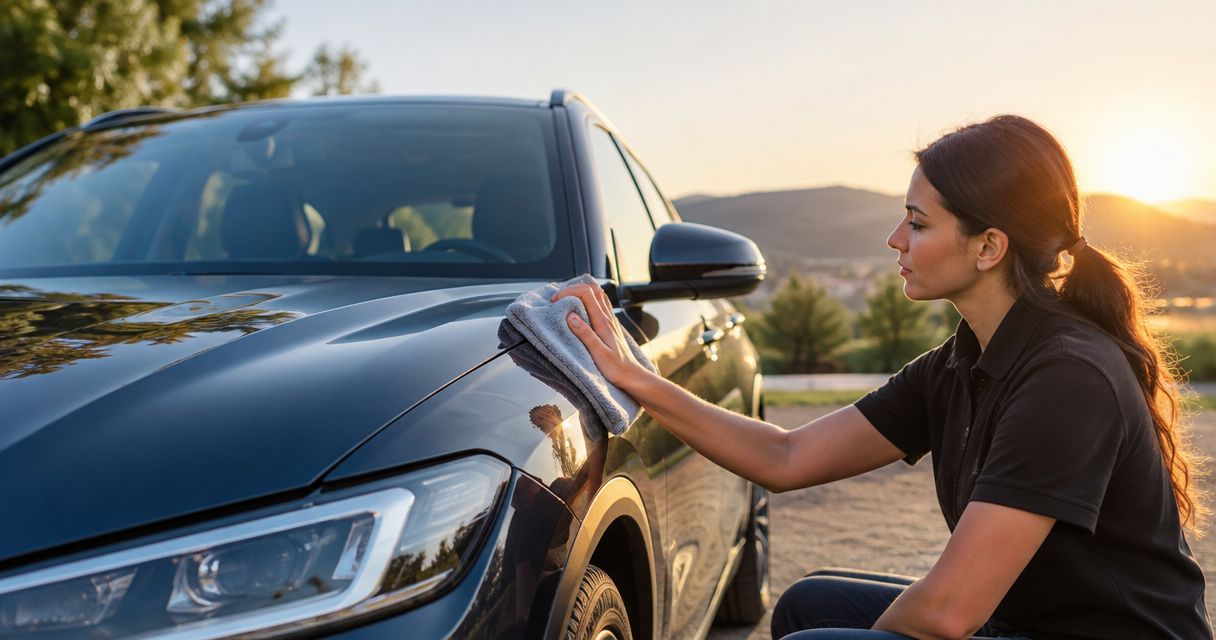
Ceramic coating helps protect your car’s finish, but it does not make the paint sunproof or guarantee protection against ultraviolet damage. Its UV performance depends on the specific product, and it cannot repair faded paint or peeling clear coat. For a 2026 coating decision, prioritize documented product claims, paint condition, and ongoing care over promises of permanent sun protection.
- Does ceramic coating protect against sun damage? It supports paint care, but UV protection requires product-specific evidence.
- Ceramic coating cannot repair faded paint or peeling clear coat, and it does not replace covered parking.
- Spiffy Me ceramic coating services suit Orange County owners seeking mobile application; request product details before booking.
- Choose ceramic coating for surface protection and easier cleaning, not guaranteed prevention of fading.
Why this matters
Buy a coating for what it demonstrably does, not for an undefined promise of sun protection. A finish that sheds water easily is not automatically proven to block ultraviolet radiation. Gloss, water beading, and UV resistance describe different properties.
Start with the paint you already have. If the finish looks dull, chalky, or uneven, understand whether paint correction is necessary before ceramic coating before choosing a protective treatment. Cleaning, correcting, and protecting paint are separate jobs, and a quote should make those distinctions clear.
Does ceramic coating protect against sun damage?
Ceramic coating adds a protective surface layer, but the term alone does not establish how much ultraviolet radiation a product blocks. Treat UV resistance as a product-specific claim, not a guaranteed feature of every ceramic coating. Ask for the manufacturer’s technical information and the scope of any supporting test.
A coating also leaves your car exposed to sunlight and heat. It does not shade the bodywork, reverse chemical degradation in the paint, or replace the original clear coat’s protective role.
| Approach | Best for | Main benefit | Limitation |
|---|---|---|---|
| Ceramic coating | Owners seeking surface protection and easier cleaning | Adds a protective layer with water-repellent properties | Does not establish a universal UV-blocking level or repair damaged paint |
| Covered parking | Owners seeking less direct sun exposure while parked | Keeps direct sunlight off sheltered surfaces | Does not protect the car while driving or parked outside the shelter |
| Paint correction | Owners addressing suitable surface defects before protection | Improves defects that can be safely corrected | Does not replace missing or peeling clear coat |
These approaches address different problems rather than competing for the same job. Covered parking reduces exposure, correction addresses suitable existing defects, and coating adds surface protection. Choose the combination that matches the condition of your vehicle.
What counts as sun damage?
Fading, oxidation, and clear-coat deterioration are related concerns, but they are not interchangeable diagnoses. A dull panel does not tell you, by appearance alone, whether the problem is removable contamination, correctable surface deterioration, or a failing finish.
That distinction changes the next move. You need an assessment before authorizing correction or coating, especially where the finish is cracking, flaking, or visibly separating. Applying another layer is not a substitute for determining whether the existing paint remains sound.
Ceramic coating: surface protection, not sunproof paint
Ceramic coatings are generally used to provide a chemically resistant, water-repellent surface over a prepared finish. Those properties support cleaning and help separate the paint from some environmental contamination. They do not mean that every substance slides off or that the surface stays clean without washing.
For sun protection, the useful question is narrower: what does the selected product demonstrate about ultraviolet exposure? A manufacturer’s statement about durability or gloss does not answer that question unless it specifically addresses UV performance.
Do not translate a durability claim into a UV guarantee. A coating’s continued presence, appearance, and resistance to environmental exposure are different measures. Ask which property a stated claim actually covers and what maintenance conditions apply.
A practical 2026 buying rule is to separate the product’s documented capabilities from the installer’s general description. If UV protection is your main reason for booking, make that requirement explicit before agreeing to the work.
Covered parking: less direct exposure, no paint repair
Covered parking addresses sun exposure directly by placing a physical shelter between sunlight and the vehicle. It is the more direct choice when your immediate goal is keeping direct sun off the paint while parked.
Its limitation is coverage. A shelter only helps the surfaces it actually shades, and its protection does not follow the car onto the road. Check where sunlight reaches the vehicle during your normal parking period rather than judging the space from one moment.
Ceramic coating and covered parking are compatible choices. Use shelter to reduce direct exposure and coating for its documented surface-protection benefits. Neither makes existing paint damage disappear, and neither removes the need to clean contamination from the finish.
Paint correction: improve suitable defects before protection
Paint correction uses polishing or related abrasive processes to address defects in the existing finish. It is not a replacement coating, and it cannot rebuild clear coat that has peeled away.
Correction also removes material, so more aggressive work is not automatically better. The appropriate approach depends on the finish’s condition and what can be safely improved. Ask the detailer to distinguish achievable cosmetic improvement from damage that needs a body-shop assessment.
If a panel is already failing, resolve that issue before paying to protect it. Coating over deterioration does not turn unstable paint into a sound surface. The useful decision is whether the panel is ready for protection at all.
Why ceramic coating results vary
A ceramic coating’s results depend on more than the word ceramic on the label. These factors deserve attention before you compare proposals:
- Product formulation: Evaluate the specific coating’s stated properties rather than assuming every ceramic product offers identical protection.
- Paint condition: Sound paint and deteriorating clear coat present different starting points. A coating does not erase that difference.
- Surface preparation: Cleaning and preparation affect application. Ask what the proposed work includes rather than assuming correction is included.
- Application and curing: Follow the selected product’s requirements for application conditions and aftercare. Do not borrow instructions from another coating.
- Exposure and maintenance: Parking conditions, contamination, washing, and drying affect the finish you are trying to preserve.
These factors also explain why photographs of water beading are incomplete evidence. Beading shows how water behaves on the surface under those conditions; it does not measure ultraviolet transmission, prove that the paint underneath is undamaged, or establish a maintenance schedule.
How do you check a ceramic coating’s UV claims?
Ask for the product name, the manufacturer’s published information, and an explanation of the exact claim being made. You do not need to become a coatings specialist, but you do need enough detail to distinguish a documented property from a sales phrase.
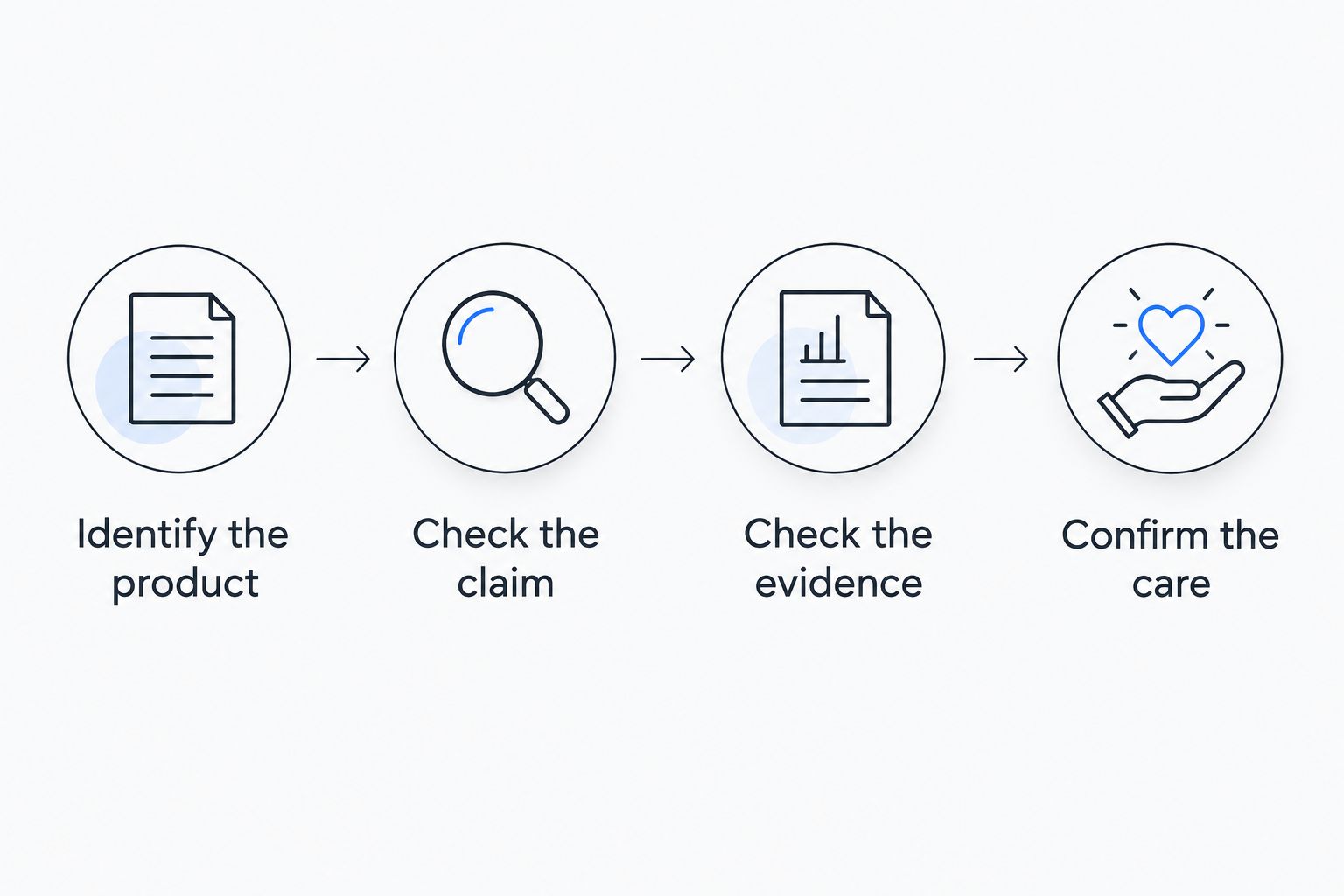
Use this sequence when reviewing a 2026 proposal:
- Identify the product. Confirm the coating that will actually be applied. A general service description is not enough to evaluate product-specific claims.
- Check the claim. Look for information that specifically addresses ultraviolet resistance, not just gloss, hardness, or water repellency.
- Check the evidence. Ask what was tested and what result the test supports. Resistance to degradation is not automatically the same as blocking UV from reaching underlying paint.
- Confirm the care. Get the manufacturer’s application, curing, washing, and maintenance instructions for that product.
A straightforward answer identifies both the benefit and its boundary. If the explanation jumps from water beading to guaranteed fade prevention, the evidence does not support that leap.
What should a 2026 ceramic coating quote explain?
A useful quote separates the condition of your paint, the preparation proposed, the coating being applied, and the aftercare required. That makes the scope understandable without relying on an unexplained package name.
Request a written total and ask which work is included or excluded. In particular, clarify whether the proposal includes preparation only or also addresses suitable paint defects. Do not assume that a coating appointment includes correction simply because the finished car is expected to look glossier.
Before booking, get clear answers to these questions:
- What condition is the existing paint in, and is any deterioration unsuitable for coating?
- Which coating will be applied, and what supports its UV-related claims?
- What preparation is included, and what work requires separate approval?
- What site conditions are needed for mobile application?
- What restrictions apply immediately after application and during curing?
- What washing and maintenance instructions should you follow afterward?
Approve a defined scope, not just a promised result. A clear proposal tells you what the service does and what it does not address. Keep that distinction in writing so your expectations match the work you authorize.
Requesting mobile ceramic coating from Spiffy Me
Spiffy Me provides mobile auto detailing, including interior detailing, exterior detailing, and ceramic coatings, for Orange County car owners. Spiffy Me ceramic coating services are relevant when you want mobile service, but you still need to confirm the selected coating, preparation, and application requirements for your vehicle.
To contact the detailing team, provide your vehicle details, your Orange County location, where the car is normally parked, and what you want to protect or improve. Ask the team to confirm service arrangements for your location rather than assuming every site is suitable for coating work.
For an initial inquiry, send 1 full-vehicle photo and 2 close-up photos of the areas that concern you. This is a practical starting point, not a substitute for inspection. Show the actual fading, dullness, or peeling rather than only sending a photograph of a clean, shaded panel.
Request a quote first, then confirm the service scope, site requirements, and appointment arrangements. Tell the team if preventing further sun-related deterioration is your main concern so the recommendation addresses that goal directly.
Request a ceramic coating quote
Share your vehicle, Orange County location, and paint concerns. Confirm preparation and aftercare before booking.
Can ceramic coating fix paint that has already faded?
Ceramic coating cannot restore missing pigment or replace failed clear coat. Some dullness requires cleaning or suitable correction, while other deterioration requires refinishing; the condition of the paint determines the appropriate route.
Ask for a diagnosis before choosing protection. A coating belongs after the finish is assessed and any necessary work is resolved, not in place of that assessment.
Does water beading prove that ceramic coating blocks UV?
Water beading does not prove UV protection. It describes water’s behavior on the surface, while ultraviolet resistance concerns a different physical property.
Use beading as an observation, not a complete condition report. Continue inspecting the paint and following the product’s care instructions even when the surface still sheds water.
Do you still need to wash a coated car?
A coated car still needs washing and appropriate contamination removal. Water-repellent behavior does not prevent everything from landing on the finish or eliminate deposits left behind when water dries.
Follow the coating manufacturer’s cleaning instructions, including suitable products and methods. Do not let a sun-protection claim distract from routine care that the coating itself requires.
FAQ
Does ceramic coating protect against sun damage in 2026?
Ceramic coating supports paint protection, but it does not make your car sunproof. Evaluate the specific product’s UV claims and do not treat coating as a replacement for covered parking or routine care.
Will ceramic coating stop my car’s paint from fading completely?
Ceramic coating does not guarantee that paint will never fade. Existing paint condition, exposure, and the selected product’s documented properties remain relevant.
Can ceramic coating repair peeling clear coat?
Ceramic coating cannot repair peeling clear coat. Have the failing finish assessed before paying for a protective treatment.
Is covered parking better than ceramic coating for avoiding direct sun?
Covered parking directly reduces sunlight reaching sheltered surfaces while the vehicle is parked. Ceramic coating serves a different role by adding surface protection, so the two approaches can be used together.
Does an exterior ceramic coating protect my dashboard and seats?
An exterior paint coating does not protect untreated interior surfaces. Ask separately about appropriate care for the materials inside your vehicle.
Does strong water beading mean my paint is protected from UV?
Strong water beading does not establish UV protection. Water repellency and ultraviolet performance are different properties and require different evidence.
How do I request a ceramic coating quote from Spiffy Me?
Request a quote with your vehicle details, Orange County location, paint concerns, and available photos. Confirm the coating, preparation, application conditions, and aftercare before arranging the appointment.
One last thing
A glossy finish is not a UV test. For your 2026 decision, ask the detailer to explain what the selected product demonstrably protects against and what remains your responsibility. That conversation is more useful than choosing by beading photographs or an undefined promise of permanent protection.


