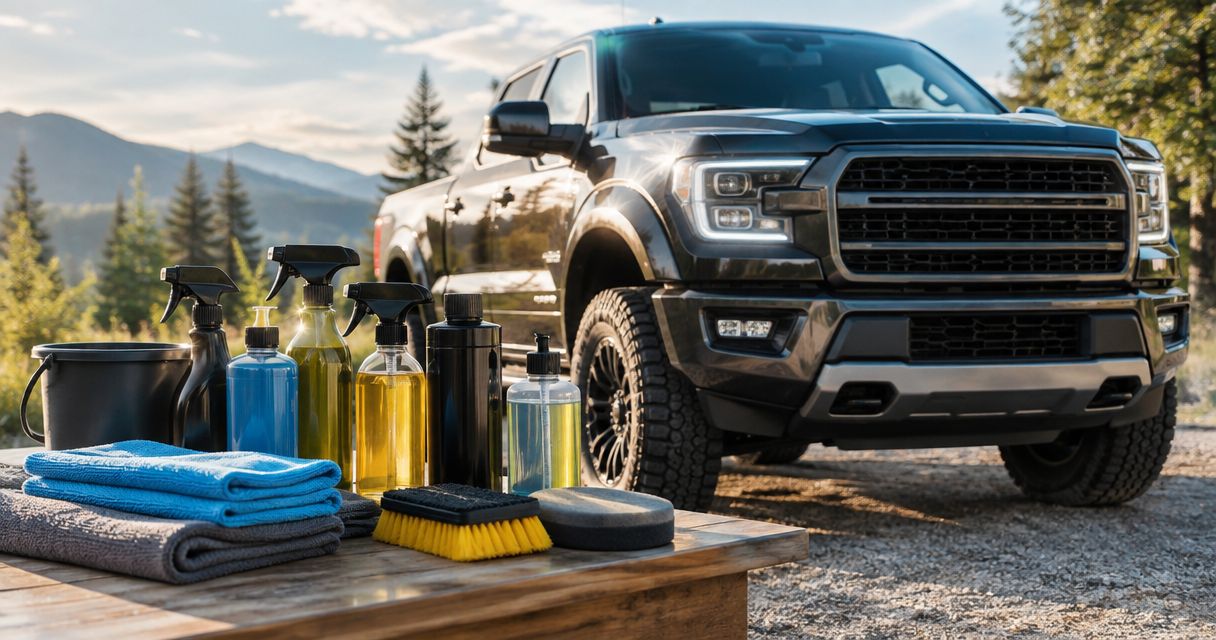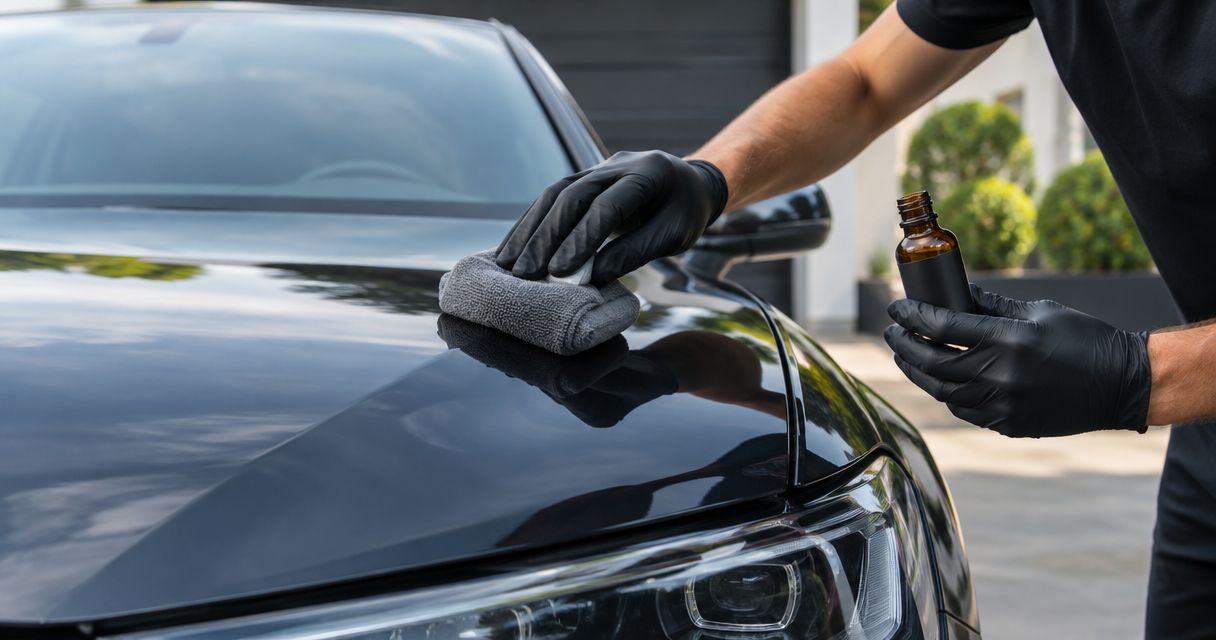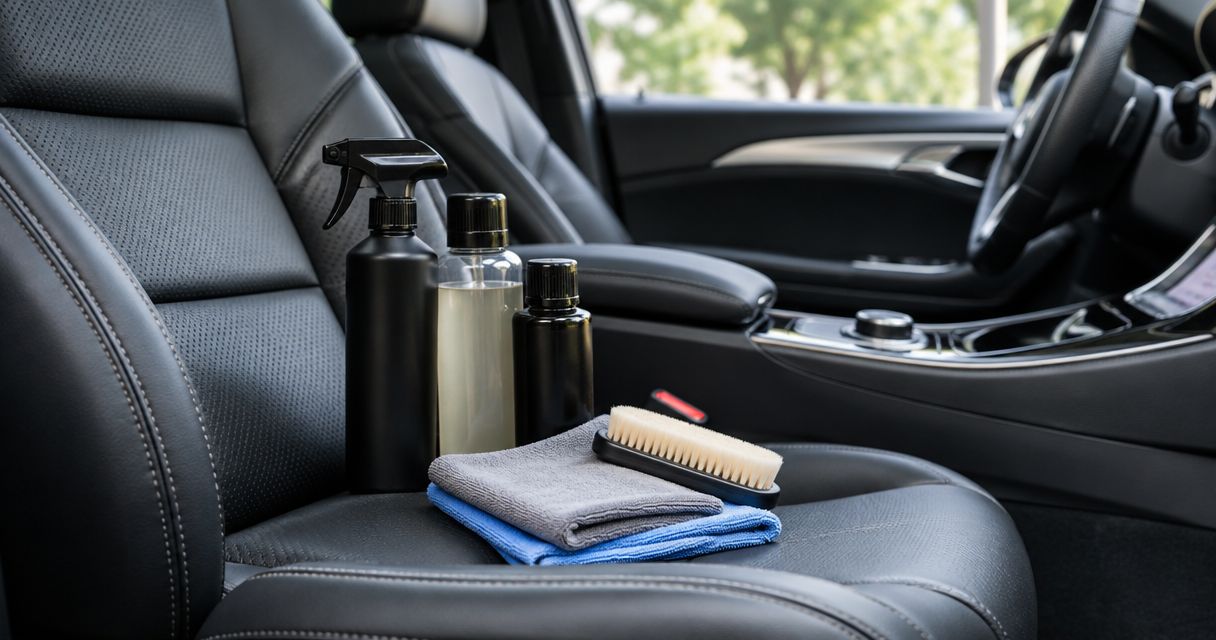
Best overall: a leather-safe interior cleaner for routine seat cleaning. Best for touch-ups: clean microfiber cloths. Best for seams: a soft detailing brush. Best for loose debris: a vacuum with a soft attachment. Best for seats whose care instructions permit it: a compatible leather conditioner. In 2026, the best interior detailing products for leather seats are the ones that match the seat material and the job—not the largest kit.
- The best interior detailing products for leather seats in 2026 start with a leather-safe cleaner and clean microfiber cloths.
- Use a soft brush for seams and a vacuum with a soft attachment for loose debris before wiping.
- Check the seat maker’s care instructions before using conditioner; it is not a substitute for cleaning.
- Spiffy Me provides mobile interior detailing for Orange County car owners who prefer a service to a DIY routine.
Why this matters
Leather-seat cleaning involves more than choosing a bottle. Loose grit, the seat’s finish and the product’s instructions all affect which tool belongs in your routine. A cleaner tackles surface soil; a vacuum removes loose debris; a cloth lifts residue. Using one item for every job makes the work harder and gives you less control around seams and perforations.
For Orange County owners who would rather have the interior detailed, Spiffy Me provides mobile auto detailing. Request a quote for the interior work you want instead of buying supplies for a job you do not plan to repeat yourself. If you prefer to clean your own seats, the 2026 picks below explain what each product type does—and where it falls short.
What makes the best leather-seat detailing product?
Use these criteria before choosing anything that touches a seat:
- Seat compatibility: Check the vehicle’s care instructions and the product label. Do not treat every leather seat or finish as interchangeable.
- Job fit: Choose a cleaner for surface soil, a vacuum for loose debris and a brush for material trapped along seams. Conditioner serves a different purpose from cleaner.
- Control: A tool should let you work gently around stitching, perforations and adjacent trim without soaking or scrubbing them.
- Residue management: Keep a separate clean cloth ready to lift cleaner and residue according to the product directions.
- Condition of the tool: A dirty cloth or brush can carry grit back across a seat. Clean supplies matter as much as the product you put on them.
- Clear instructions: Prefer products with directions you can follow for your seat material. An unsupported compatibility claim is not a reason to use a product.
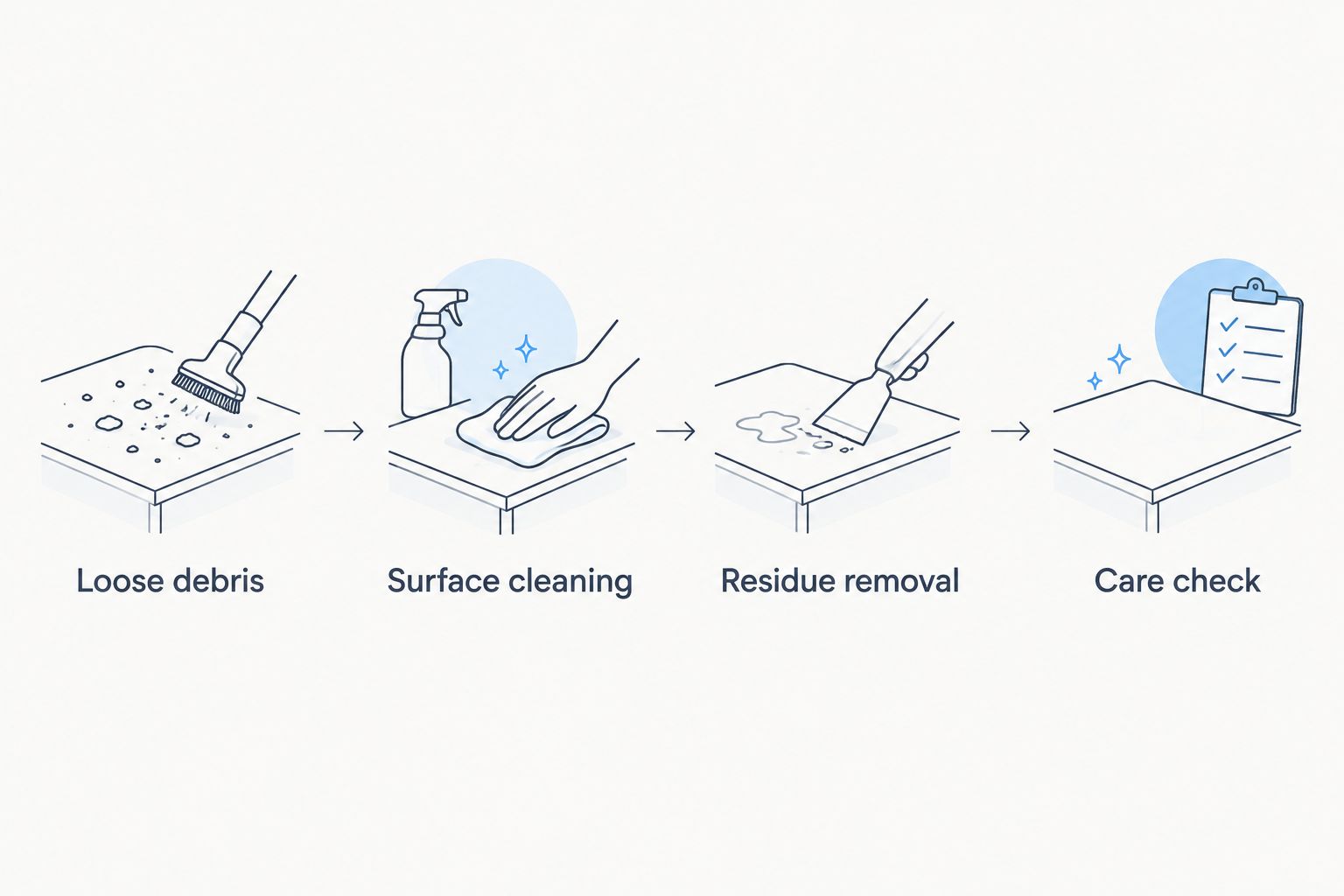
These criteria favor a short, task-based kit over a shelf of overlapping products. For most routine cleaning, start by removing loose debris, then use a suitable cleaner with a clean cloth. Add another tool only when the seat’s condition calls for it.
The 2026 picks at a glance
| Rank | Product type | Best for | Standout role | Key limitation |
|---|---|---|---|---|
| 1 | Leather-safe interior cleaner | Routine surface cleaning | Addresses soil on compatible seats | Requires a compatibility check and careful application |
| 2 | Microfiber cloths | Light touch-ups and wiping | Gives you control when lifting residue | Does not replace a cleaner for stubborn soil |
| 3 | Soft detailing brush | Seams and textured areas | Reaches places a flat cloth misses | Excess pressure can damage a surface |
| 4 | Vacuum with a soft attachment | Loose debris before cleaning | Removes grit without a wet product | Does not clean bonded-on marks |
| 5 | Compatible leather conditioner | Seats whose care instructions permit conditioning | Covers a care task separate from cleaning | Not suitable as a default for every seat |
The order reflects how directly each item answers the search for a leather-seat detailing product. The cleaner comes first because it handles the central cleaning task. The other picks solve narrower problems; none should be treated as an automatic add-on.
1. Leather-safe interior cleaner: best for routine seat cleaning
A leather-safe interior cleaner is the best overall product type when your goal is to remove ordinary surface soil from a compatible seat. Select one whose directions cover your seat material, then follow the vehicle and product instructions. If either set of instructions rules out the application, choose another method.
Start with loose debris removal so you are not wiping grit across the surface. Apply the cleaner as directed, work gently and lift residue with a clean cloth. Take particular care around perforations and stitching: more liquid and more pressure are not shortcuts to a cleaner seat.
Leather-safe interior cleaner pros:
- Targets surface soil rather than simply moving it around with a dry cloth.
- Fits a routine that keeps cleaning separate from conditioning.
- Can be applied to a manageable area so you can check your work as you go.
Leather-safe interior cleaner cons:
- The label still needs to match your seat material; leather-safe is not a universal permission slip.
- Cleaner alone will not remove loose debris from seams as effectively as a vacuum or brush.
- Stubborn marks can remain after a careful pass; repeated aggressive scrubbing is not the answer.
Best for: Car owners cleaning compatible leather seats with visible surface soil. Verdict: Buy a cleaner that matches the vehicle’s care instructions; skip a product whose directions do not identify your seat material.
2. Microfiber cloths: best for light touch-ups and wiping
Microfiber cloths are the simplest pick for controlled wiping. Use 2 clean microfiber cloths when your cleaner’s directions call for application and residue removal: keep one for the cleaning step and another for the final wipe. That separation helps you avoid putting collected dirt straight back onto the seat.
A cloth also lets you see when a working surface is soiled. Fold it to expose a clean section rather than continuing with the same dirty area. For a light touch-up, follow the seat-care instructions before adding any liquid; a cloth by itself is a tool, not a chemical cleaner.
Microfiber cloth pros:
- Gives you direct control around seams and nearby trim.
- Makes it easy to separate application from residue removal.
- Works alongside a compatible cleaner without adding another chemical product.
Microfiber cloth cons:
- A dirty cloth can drag grit across the surface.
- A cloth alone cannot replace a suitable cleaner for adhered soil.
- Its flat surface is less useful for debris tucked into deep seams.
Best for: Owners maintaining seats between deeper cleans or wiping away cleaner residue. Verdict: Buy clean cloths as part of the basic kit, but do not mistake them for a complete cleaning method.
3. Soft detailing brush: best for seams and textured areas
A soft detailing brush handles narrow areas where a cloth has limited contact. Use 1 soft brush for seams or textured sections that still hold debris after vacuuming. Work with light pressure, and check the vehicle’s care guidance before using a brush on the seat surface.
The brush’s role is precision, not force. If a mark does not respond to gentle work with a compatible cleaner, pressing harder increases the risk of damage without establishing that the brush is the right tool. A brush also needs cleaning: trapped grit defeats the point of choosing soft bristles.
Soft detailing brush pros:
- Reaches seam edges a flat cloth can miss.
- Lets you focus on a small area rather than wetting the whole seat.
- Pairs with a vacuum for removing loosened debris.
Soft detailing brush cons:
- Pressure is easy to overdo, especially on a worn surface.
- It does not remove cleaning residue; a cloth is still needed.
- It adds little value when your seats are already free of debris in seams and texture.
Best for: Owners dealing with debris along stitching or in textured areas. Verdict: Hold unless those areas actually need attention; a brush is a specialist tool, not the first purchase.
4. Vacuum with a soft attachment: best for loose debris
A vacuum with a soft attachment belongs at the start of a seat-cleaning routine. It removes loose crumbs and grit before a cloth or cleaner touches the surface. Keep the attachment clean and guide it gently around stitching and openings instead of pressing it into them.
Vacuuming solves a different problem from cleaning. A visible mark that remains after loose material is removed needs assessment and, where appropriate, a compatible cleaner. Vacuuming harder will not turn a surface mark into loose debris.
Vacuum with a soft attachment pros:
- Removes loose material before wiping begins.
- Helps you reach the gap between a seat and adjacent trim.
- Requires no cleaning liquid for the debris-removal step.
Vacuum with a soft attachment cons:
- Does not lift soil that has adhered to the seat.
- A dirty or unsuitable attachment can work against careful handling.
- Cannot replace wiping away cleaner residue.
Best for: Owners whose seats collect loose debris, particularly around seams and seat gaps. Verdict: Buy if you lack a suitable way to remove that debris before cleaning; otherwise use the tool you already have.
5. Compatible leather conditioner: best when seat guidance permits it
A leather conditioner is not a cleaner, and it should not be the default final step for every seat. Consider one only when the vehicle’s care instructions permit conditioning and the product directions cover the seat material. Clean the seat as directed before considering a separate conditioning step.
This distinction matters in 2026 because a product labelled for leather does not, by that label alone, establish that it belongs on your vehicle’s seat finish. Do not use conditioner to hide dirt or a persistent mark. If the care guidance does not establish a fit, leave the conditioner out.
Leather conditioner pros:
- Addresses a care task distinct from surface cleaning when the seat guidance calls for it.
- Can be evaluated separately from the cleaner rather than bought as part of an assumed routine.
- Comes with product directions you can compare against the vehicle’s instructions.
Leather conditioner cons:
- Does not replace cleaner or loose-debris removal.
- Is not an automatic match for every automotive leather finish.
- Adds a step that many routine cleaning jobs do not require.
Best for: Owners whose vehicle guidance permits a compatible conditioning product. Verdict: Hold until you confirm that match. If the directions conflict or leave the seat material unclear, skip it.
How we ranked the picks
This 2026 ranking is a decision guide by product type, not a test of named brands. The order follows the job each item performs: cleaner for surface soil, cloths for controlled wiping, a brush for seams, a vacuum for loose debris and conditioner only where permitted. Compatibility and gentle use matter more than the number of products in a kit.
Use 1 seat at a time when following a product’s directions. That keeps the task manageable and gives you a chance to check the surface before continuing. Stop if the material or result does not match what the instructions describe; adding another product is not a diagnosis.
If you do not want to assemble supplies or handle the work yourself, Spiffy Me offers mobile interior detailing in Orange County. Describe the seat condition when requesting a quote so the service request reflects the work you want addressed. Do not assume an interior detail includes a separate conditioning step; ask about the scope before booking.
Request an interior detailing quote
Tell Spiffy Me about your seats and the interior work you need.
Which leather-seat detailing products should you choose?
Choose a compatible leather-safe cleaner and clean microfiber cloths for routine surface cleaning in 2026. Add a vacuum with a soft attachment when there is loose debris, and use a soft brush only where seams or texture need it. Hold off on conditioner until the vehicle’s care instructions support that step.
If the seat material is unclear, identify it before applying a product. If the job is bigger than the routine you want to handle, Spiffy Me is the mobile interior detailing service option for Orange County car owners. The choice is straightforward: use a small kit for a manageable clean, or request a service quote for the interior work.
FAQ
What are the best interior detailing products for leather seats in 2026?
A leather-safe cleaner and clean microfiber cloths are the best starting point for routine cleaning. Add a vacuum for loose debris and a soft brush for seams; use conditioner only when the seat’s care instructions permit it.
Should I vacuum leather seats before using cleaner?
Yes, remove loose debris before wiping leather seats. Use a clean, soft attachment gently around seams and gaps, then follow the directions for a compatible cleaner.
Is a soft brush better than a microfiber cloth for leather seats?
A soft brush is better suited to debris along seams and in texture; a microfiber cloth is better for controlled wiping and residue removal. Neither tool replaces checking the seat and cleaner instructions.
Do leather car seats always need conditioner?
No, conditioner is not an automatic step for every leather car seat. Check the vehicle’s care guidance and the product directions before using one, and never substitute it for cleaning.
Can a leather cleaner remove every seat stain?
No, a leather cleaner is not a guarantee that every mark will come out. Use a product compatible with the seat material and avoid repeated hard scrubbing when a mark remains.
How many cloths should I use to clean a leather seat?
Use 2 clean microfiber cloths when the cleaner’s directions call for an application step and a separate residue-removal step. Keep the wiping cloth clean rather than reusing a soiled surface.
Can Spiffy Me detail leather seats at my location in Orange County?
Spiffy Me provides mobile interior detailing for car owners in Orange County. Describe your seats and ask about the scope of the interior work when requesting a quote.
One last thing
The last product in a leather-seat routine does not need to be conditioner. A clean seat with its cleaner residue removed is the stopping point unless its care instructions call for another step. That rule keeps the 2026 kit focused on the seat you own rather than on products you have not established a need for.